The gregale — the strong north-easterly that blows through Malta in the colder months — is the wind every Maltese boat owner plans around. It sends swell into harbours that are calm the rest of the year, and it finds every loose line and flapping cover.
Where it hits hardest
Malta’s harbours mostly open to the north-east, which is exactly where the gregale comes from. Sailing guides warn that Lazaretto Creek, between Ta’ Xbiex and Manoel Island, can be badly affected by gregale swell, and that boats moored there shouldn’t be left unattended while it’s blowing. Sliema Creek has no yacht berths partly for the same reason. Msida, behind its breakwater, is far better protected — which is why it’s so popular for wintering afloat.
Further north, St Paul’s Bay and Mellieħa Bay open towards the north-east and east, which is why so many local boats come off their moorings for winter. In Gozo, winter gales can make Mġarr Marina uncomfortable, and the channel between Gozo and Comino speeds the wind up.
What the gregale does to a covered boat
Wind is the enemy of a loose cover. A tarpaulin that flaps chafes the gelcoat, works its ties loose and ends up in the water or the next boat. Even a well-fitted canvas cover can lift if it isn’t tensioned properly.
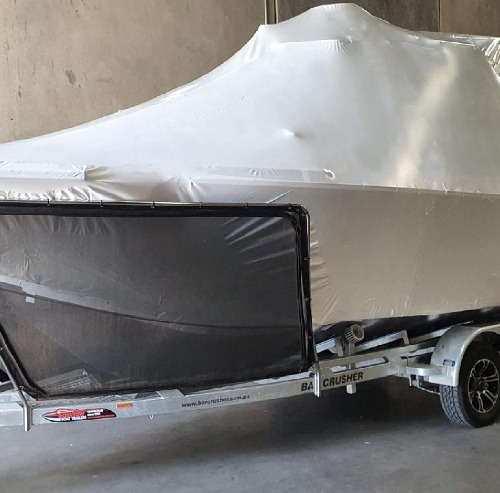
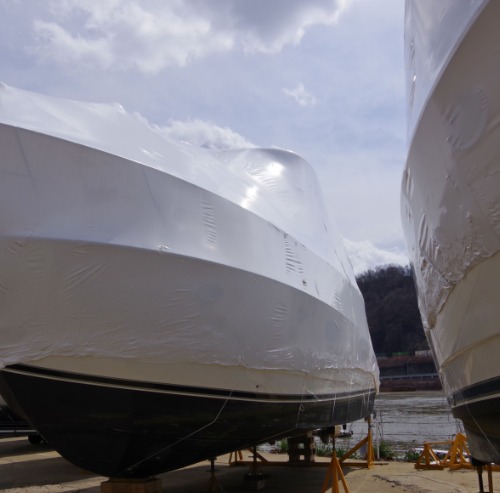
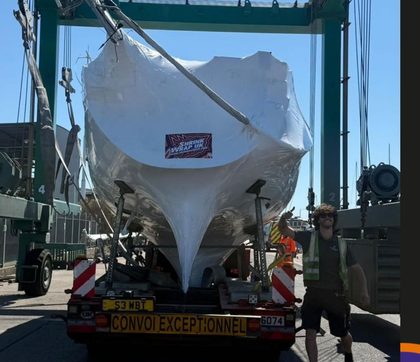
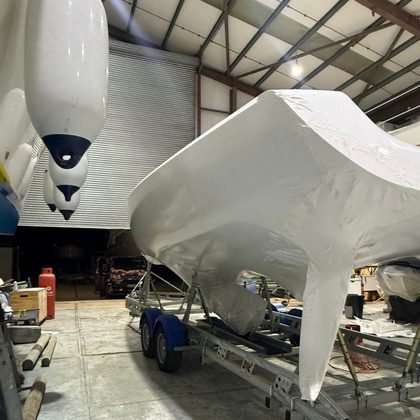
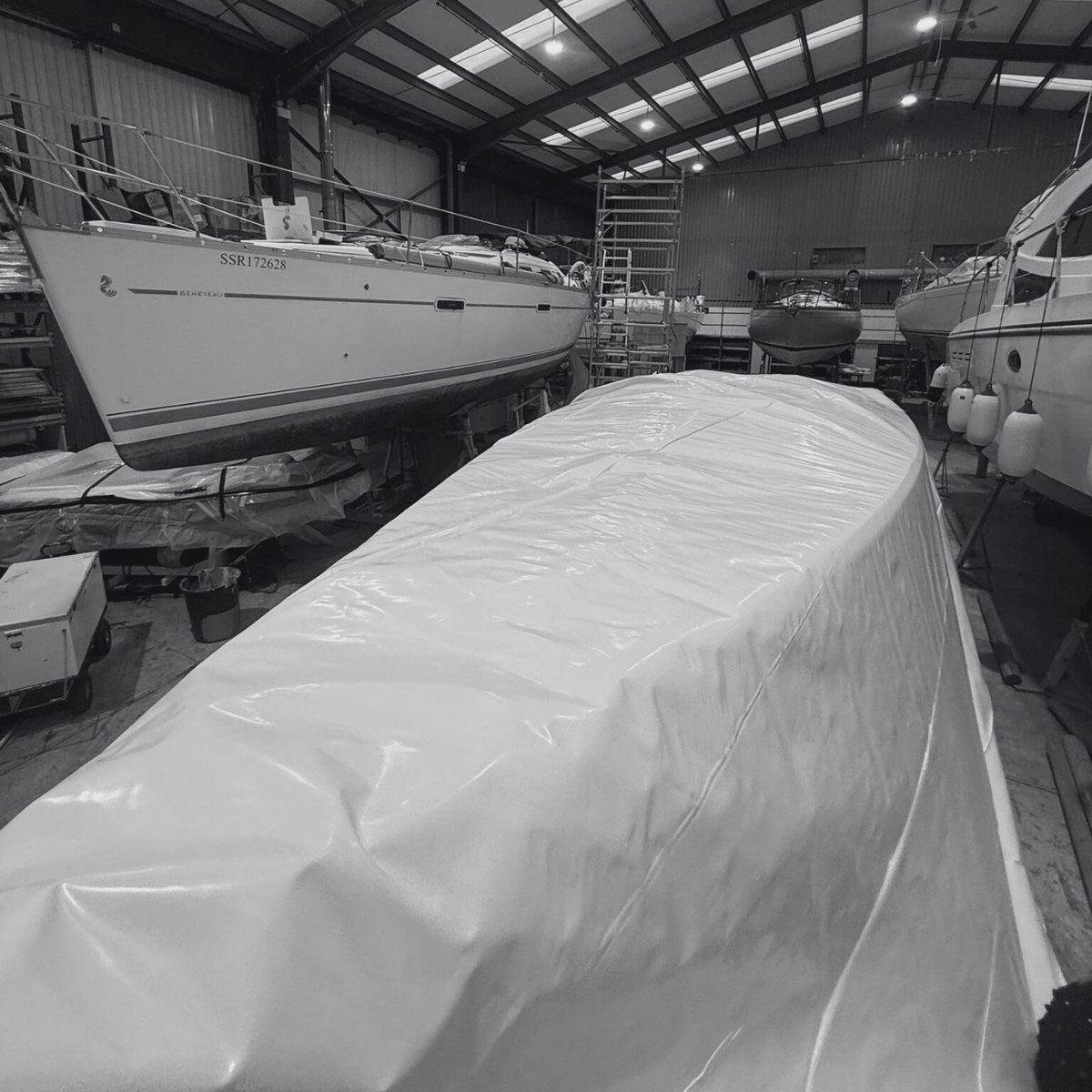
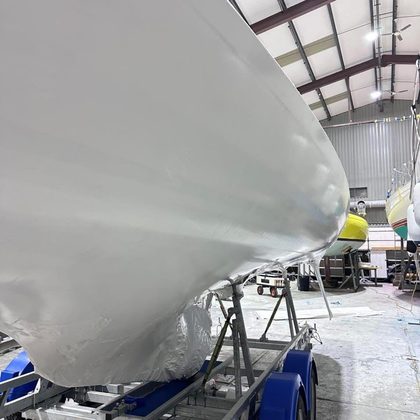
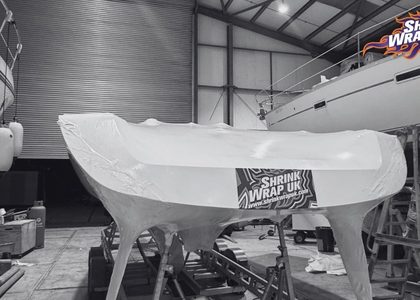
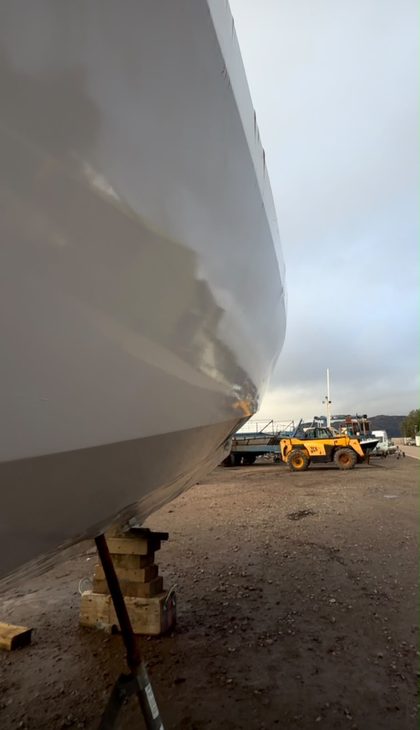
A shrink wrap cover is designed for exactly this. It’s shrunk tight over a frame, so there’s nothing loose for the wind to catch, and banded to the boat or cradle so it can’t lift. Ashore, it’s skirted down towards the ground so the wind can’t get under it.
Preparing afloat
If your boat is staying in the water, the gregale preparation is mostly about lines and fenders: doubled lines, chafe protection where they cross fairleads, springs set properly, and fenders positioned for the swell. Remove or secure anything that can blow away — sprayhoods, biminis, cushions, dinghies on deck. Then cover what’s left so there’s nothing for the wind to grab.