The myth: hot climates don’t need ventilation
It’s easy to assume condensation is a cold-weather problem. In Malta it’s often the reverse. Humidity is high for much of the year, daytime temperatures under a cover can be far above the night-time temperature, and that daily swing is exactly what drives condensation. A boat sealed tight with no airflow in a Maltese autumn can sweat every night.
The result is familiar to anyone who has opened up a boat after a few months: a musty smell, mould spots on headliners and cushions, damp lockers and tarnished metal.
How vents work
Warm air rises. A vent near the top of the cover lets warm, moist air out; a vent lower down lets drier air in to replace it. That creates a gentle, constant flow through the cover without letting rain, dust or wildlife in. One vent on its own does little — it’s the high-and-low pair that moves the air.
The number of vents depends on the size of the cover and the conditions. A small RIB might need two; a large yacht might need a dozen spread along its length.
The frame matters too
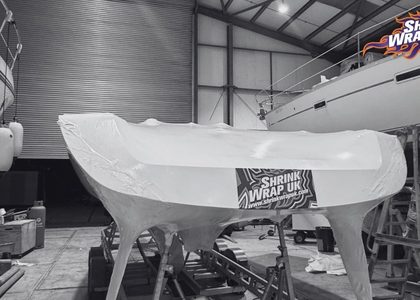
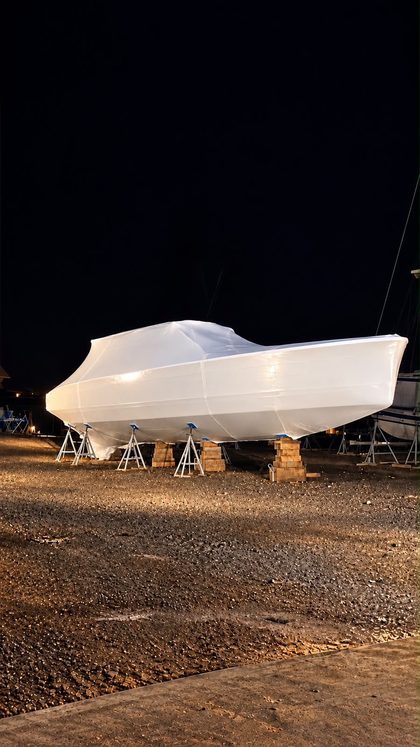
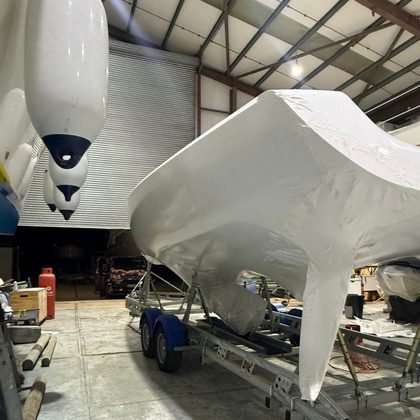
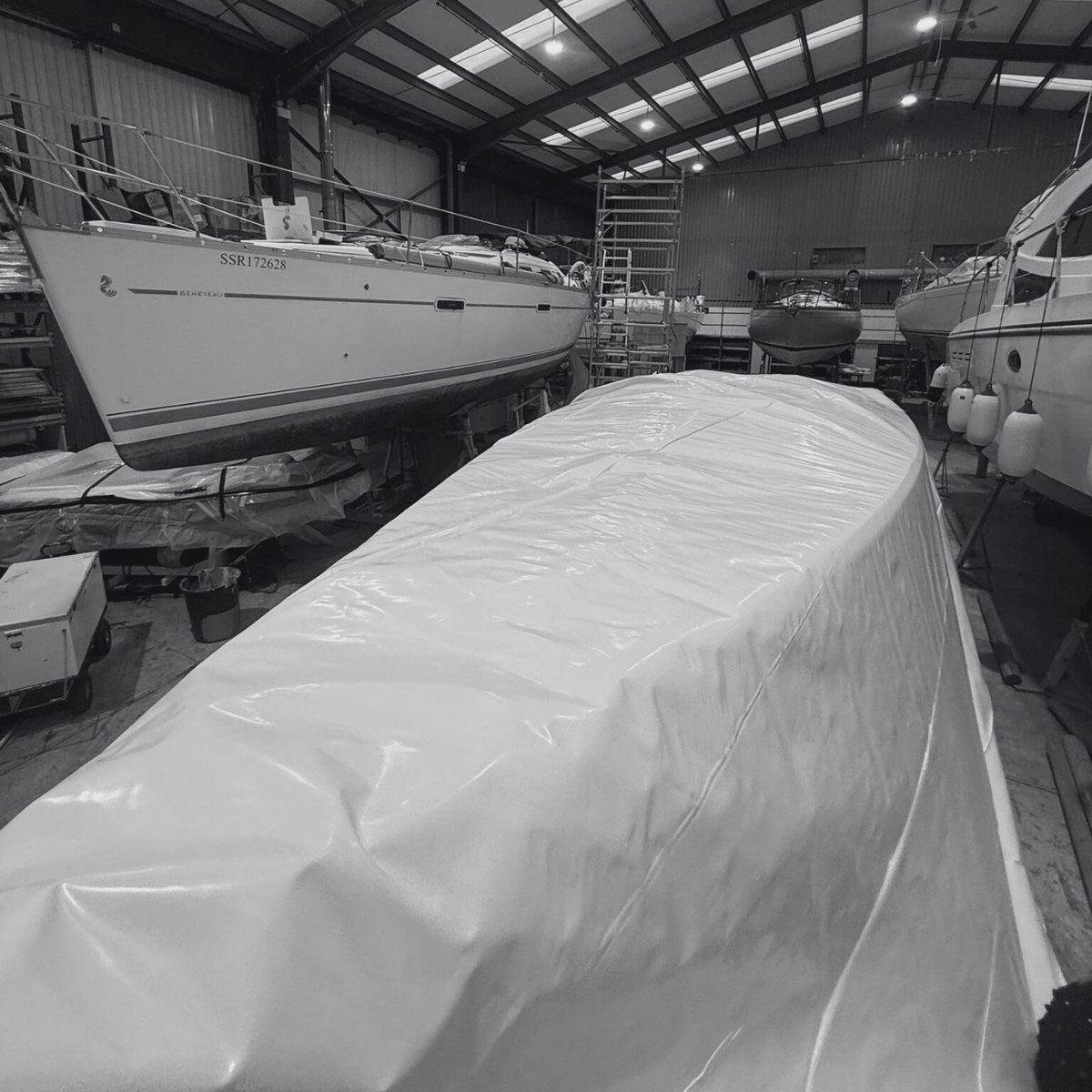
Film lying on the deck traps a thin layer of air against the surface where condensation collects and can’t escape. A frame holds the cover clear of the boat so air can move all the way round it. It also stops the cover touching gelcoat and teak, where trapped heat and moisture do the most damage.
Inside the boat
Ventilating the cover isn’t enough if the boat is sealed inside it. Leave internal doors and lockers open, prop up cushions and mattresses, dry the bilge and remove anything damp. Moisture absorbers inside the cabin help in the most humid months.