Two different jobs
Canvas and shrink wrap are often compared as if they were rivals. They aren’t really. A canvas cover is equipment: it comes off when you go out and goes back on when you return, every week of the season, for years. A shrink wrap cover is a seal: it goes on once, stays on for months and comes off when the boat goes back into use.
Asking which is better is like asking whether a jacket or a sleeping bag is better. The answer is whichever suits what you’re doing.
Where canvas wins
Canvas is reusable. A well-made cover lasts several seasons and can be on and off in minutes, so it suits a boat that goes out regularly. It can be tailored precisely to a sprayhood, a helm or a cockpit, and it can be repaired.
Its weaknesses show in long, unattended periods. Canvas covers fasten at points rather than sealing, so dust and salt get in at the edges. In a strong wind they can lift and flog if they aren’t perfectly tensioned. And the sun degrades canvas and thread over time — which is why replacing covers is a regular cost in Malta.
Where shrink wrap wins
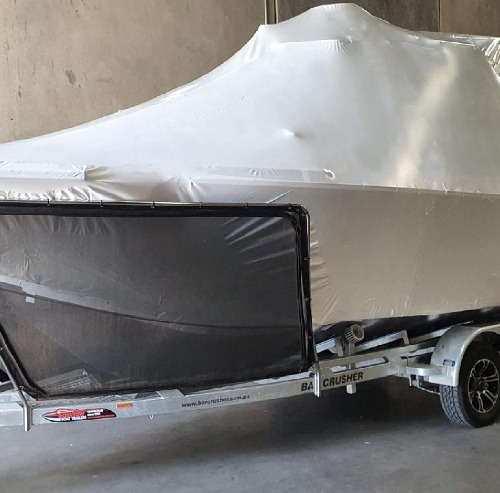
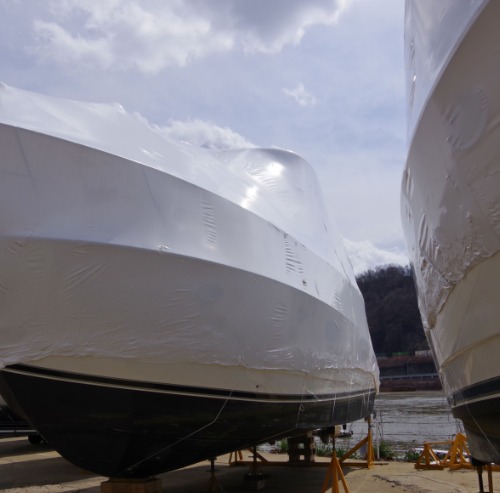
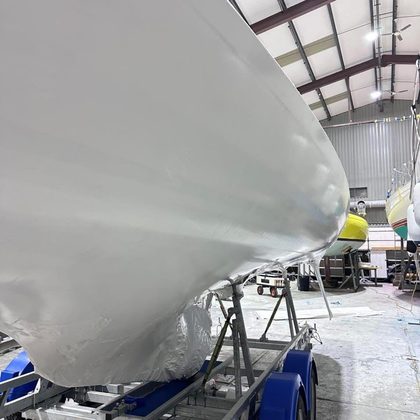
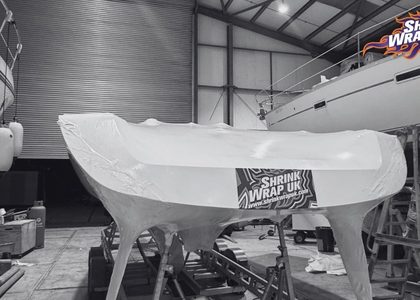
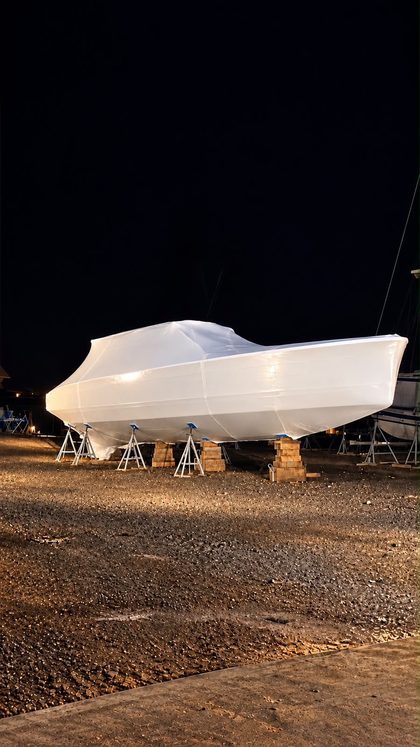
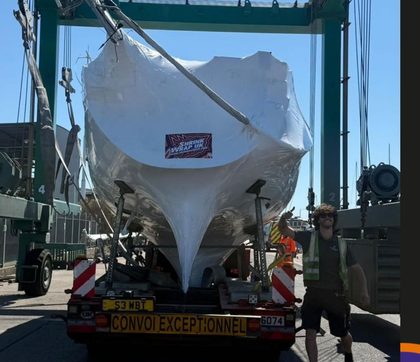
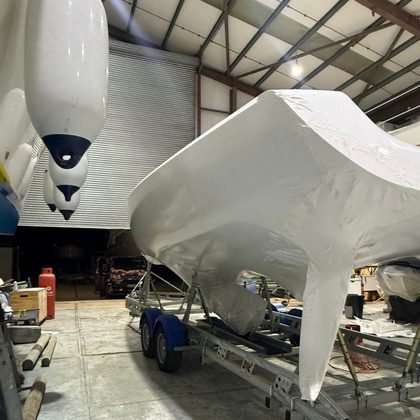
Shrink wrap is welded into one skin, so there are no edges for dust to get under and nothing to flap. It’s framed over the boat, so water runs off rather than pooling. It doesn’t need measuring and making in advance, and for a single season it usually costs less than a made-to-measure cover.
Its limitation is that it’s single-use: once it comes off, it’s finished, and the film is taken away. It’s also not something you take on and off to go sailing — it’s for when the boat isn’t being sailed.
What drives the cost of each
For canvas: the size and complexity of the cover, the fabric, the number of zips, windows and fastenings, and the maker’s time. You pay more upfront and spread it over several seasons. For shrink wrap: the boat’s size and shape, the amount of framing, the number of vents and doors, and access. You pay per season, with fitting and removal included.